Types of Portrait Illustration: From Traditional to Modern & AI Styles
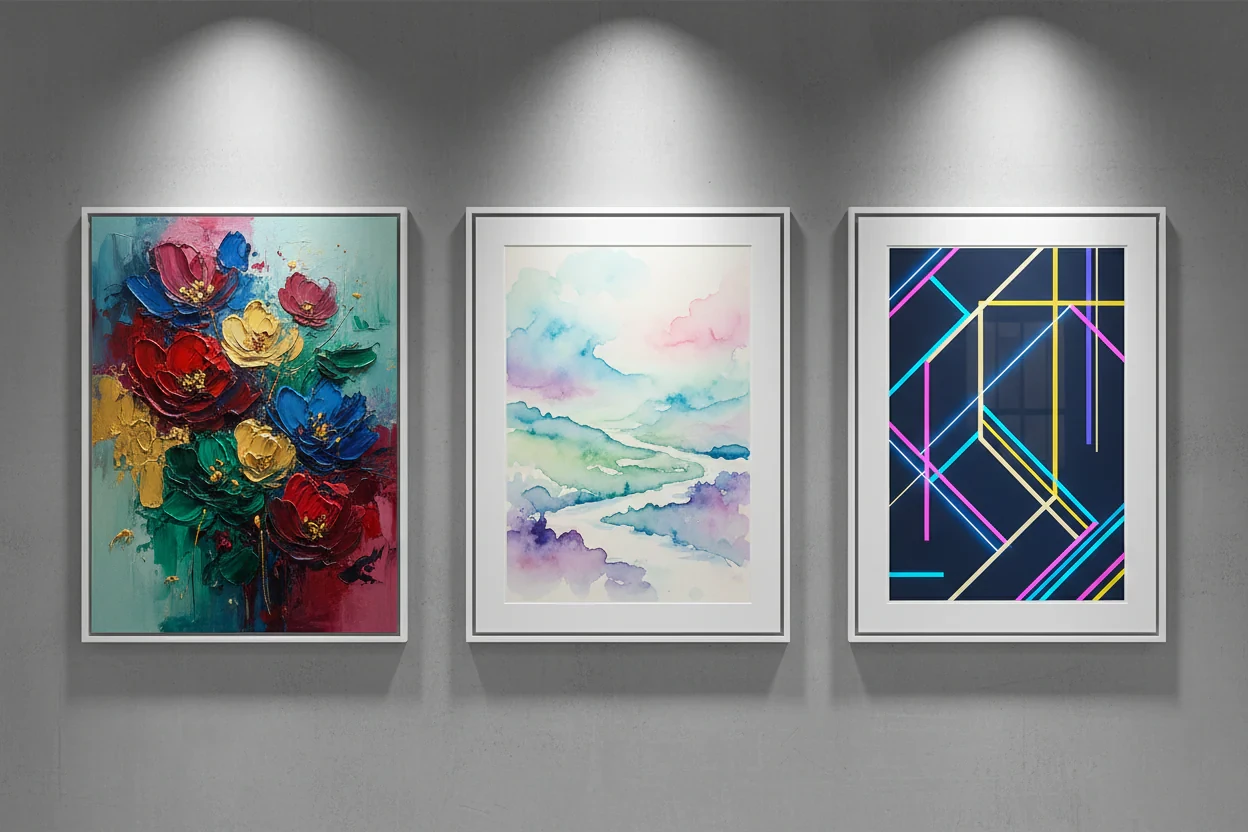
Illustration has been part of storytelling for centuries. From books and magazines to advertising and personalised gifts, illustrations help communicate ideas, evoke emotions, and bring stories to life.
Traditionally, artists created illustrations using physical materials such as pencil, charcoal, ink, and paint. Today, illustration has expanded to include digital drawing and, more recently, AI-generated artwork. Each approach offers its own strengths, depending on the purpose of the artwork.
Whether you’re commissioning a custom portrait, designing a brand, or simply exploring different art styles, understanding the various types of illustration can help you choose the right medium.
Traditional Illustrations
Traditional illustration refers to artwork created using physical materials on paper, canvas, wood, or other surfaces. Every brushstroke and pencil mark is created by hand, giving each piece its own unique character.
Woodcutting
Woodcut is one of the oldest forms of illustration, dating back hundreds of years. Artists carve an image into a wooden block before applying ink and pressing it onto paper. The result is a bold, textured style that remains popular in fine art and printmaking.
Pencil
The pencil illustration is maybe one of the most popular kinds of illustration. Using graphite pencils, artists create delicate shading, fine details, and expressive sketches. Pencil illustrations are often used for portraits, concept sketches, and realistic drawings because they offer excellent control over tone and texture.
Charcoal
Although charcoal illustration does not seem as accurate as pencil drawing, it is utilized in tales, portraits, and situations where imprecise construction lines must be seen. Charcoal creates dramatic contrast and expressive textures.
Pen and Ink
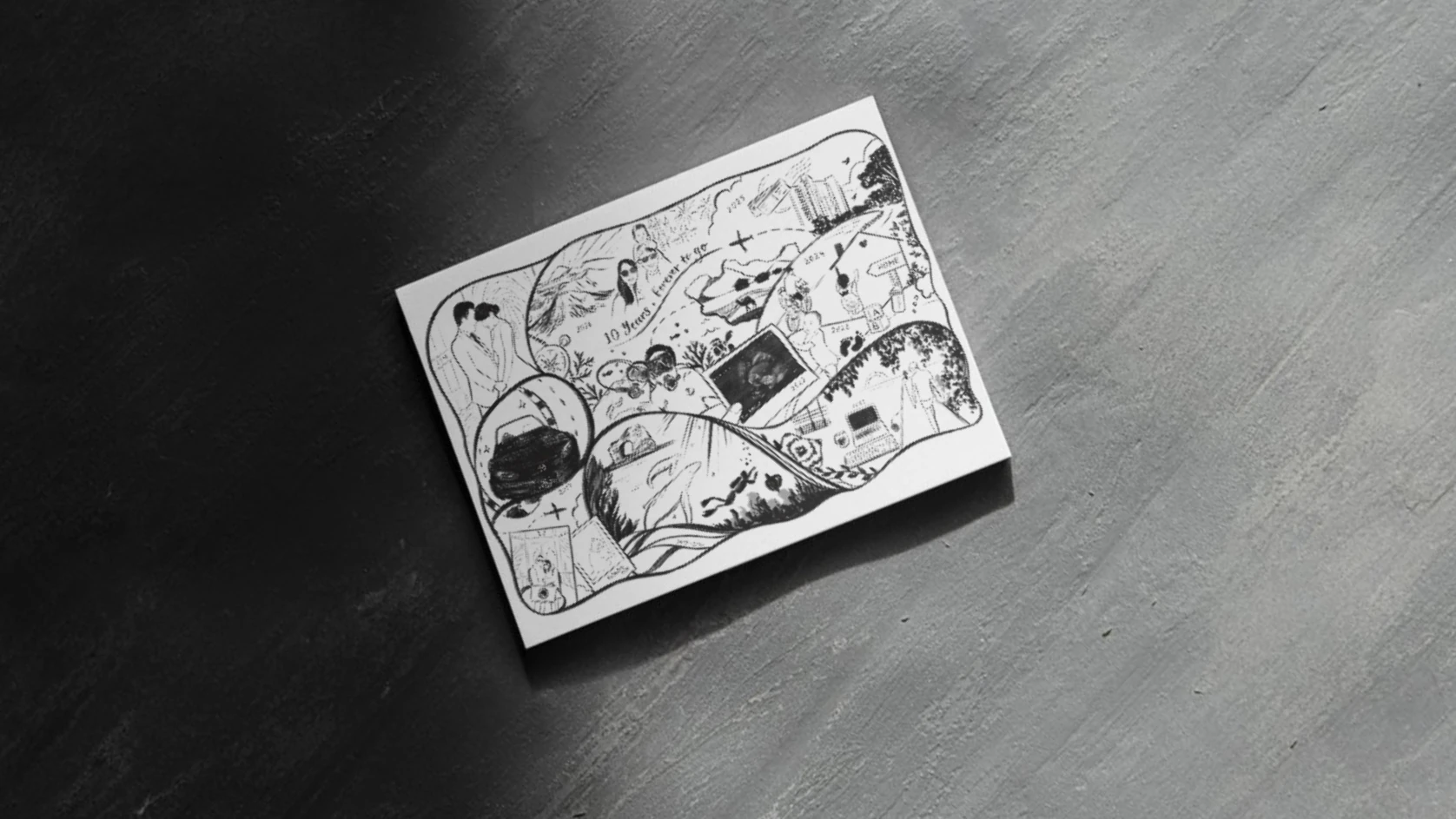
This timeless style is commonly found in editorial illustrations, architecture drawings, botanical artwork, and detailed black-and-white portraits.
Watercolor Illustrations
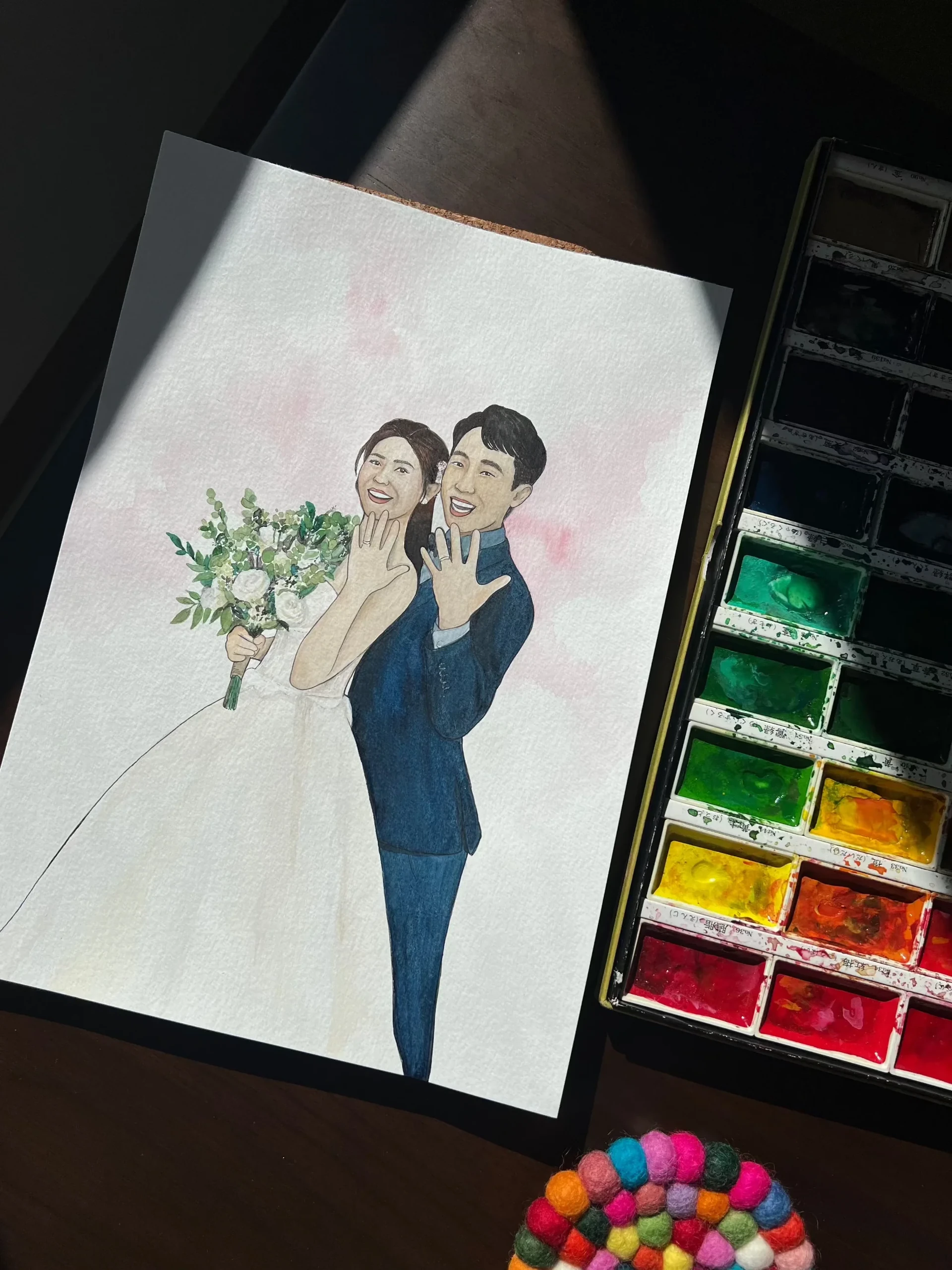
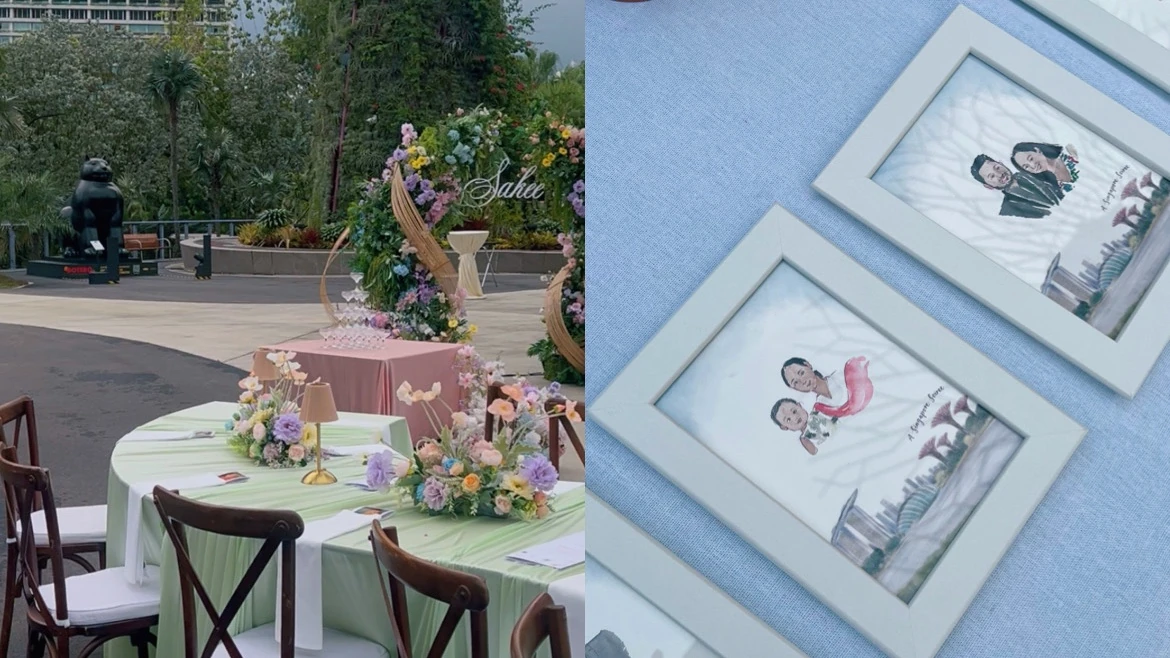
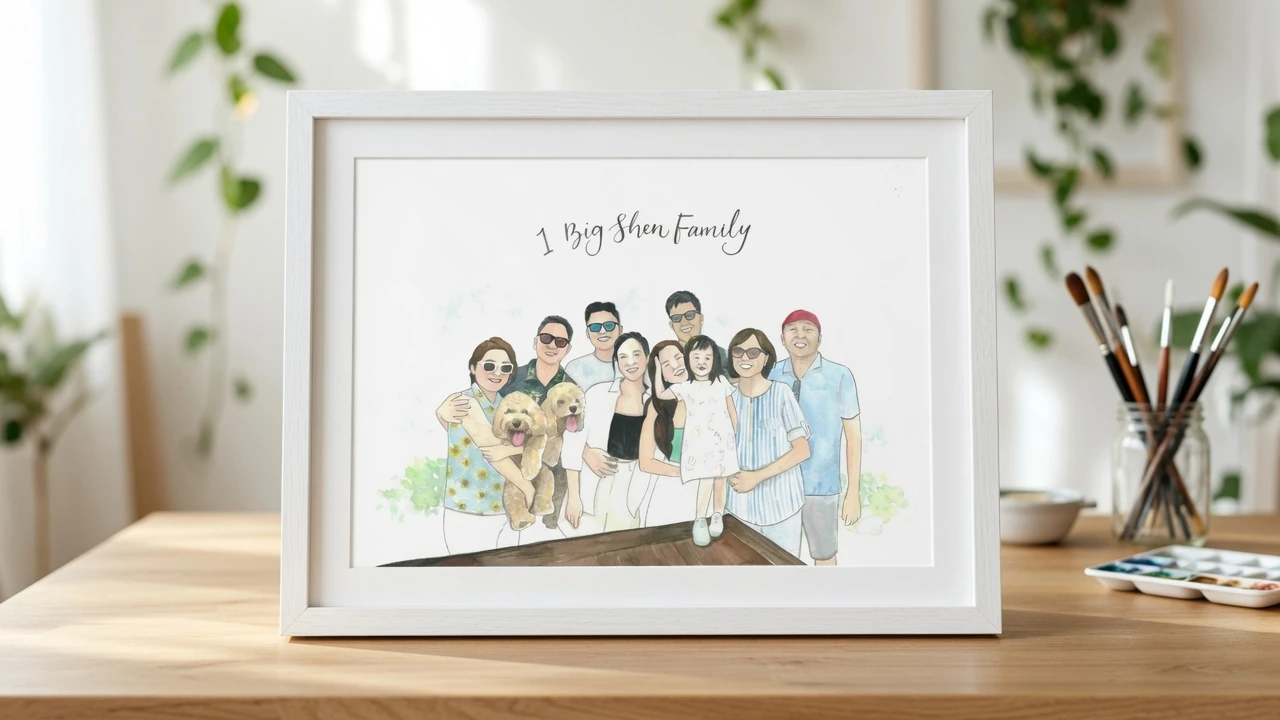
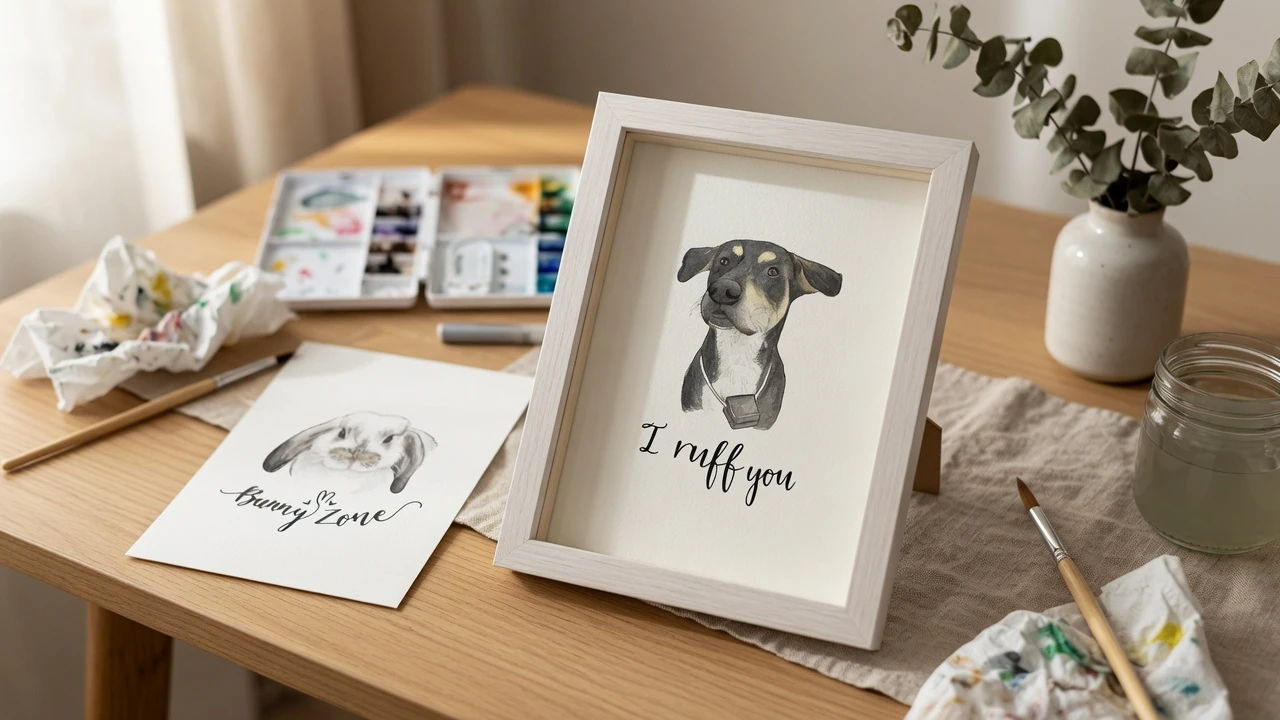
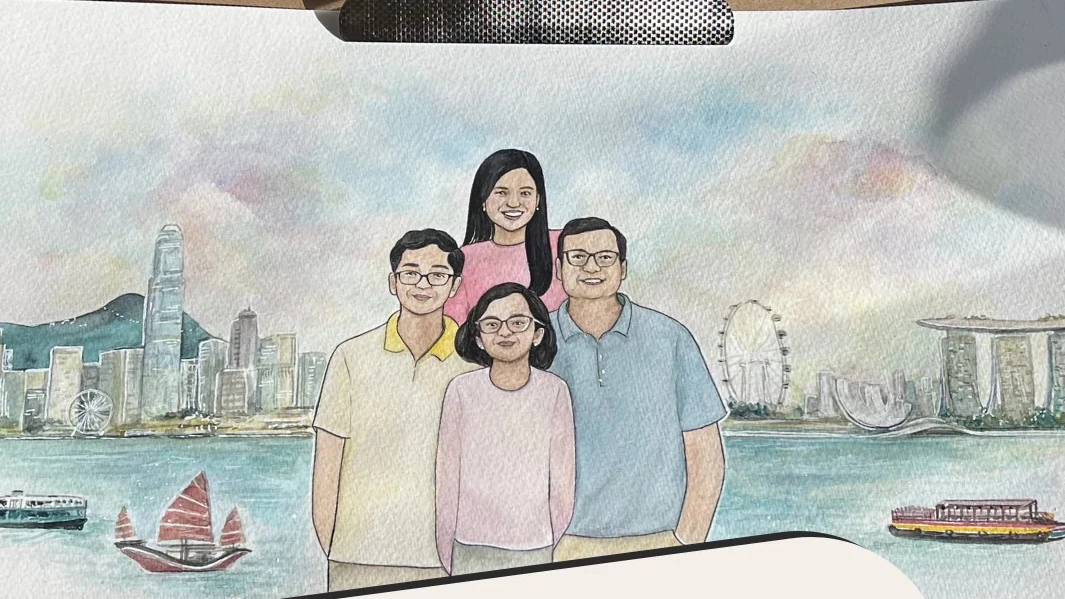
Because of the delicacy of watercolor illustration, it may be utilized as an excellent narrative technique. Watercolor paintings are known for their fine detail and depth. It's no surprise that it's frequently utilized in children's novels. Artists may produce remarkable, thought-provoking watercolor portraits by using a delicate and imaginative blend of airy and lighter hues. Each painting develops naturally as water and pigment interact, giving every artwork its own unique character.
Acrylic
This is a great sort of illustration for novices. Acrylic paint is used by artists to produce illustrations on various media such as fabric or canvas. Acrylic paints come in a variety of textures and once dried, they become water-resistant. Acrylic paint is vibrant, durable, and versatile.
Modern Illustrations
As technology evolved, artists began creating illustrations digitally while preserving the same artistic skills used in traditional drawing. Digital illustration doesn’t replace artistic ability, it simply changes the tools.
Digital Illustrations
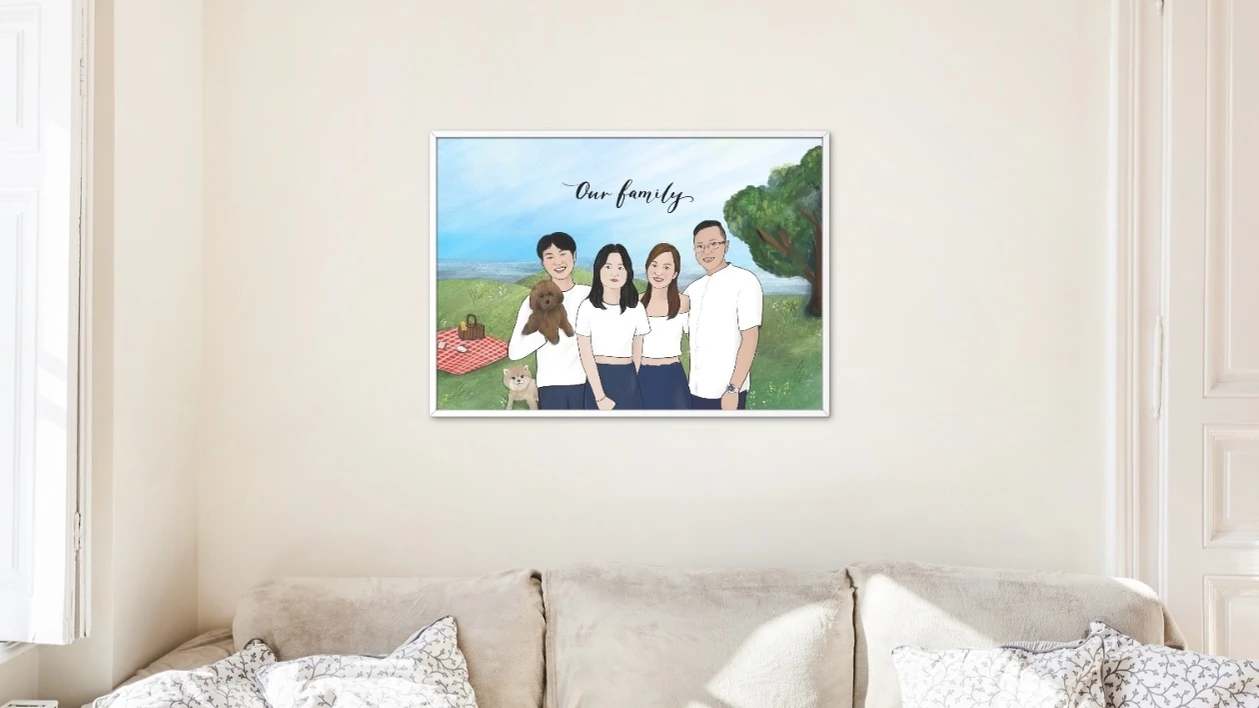
Digital portraits are created using drawing tablets and styluses rather than paper and paint. Artists still sketch, shade, colour, and compose every element by hand, but software allows for greater flexibility, cleaner edits, and easier revisions.
At Bycraft, our digital portraits are hand-drawn on an iPad, ensuring every artwork is illustrated by an artist rather than generated by software.
Vector Illustrations
When producing a vector drawing, artists make sure that each point is portrayed on coordinate axes in order to determine the path's orientation. Vector illustration is superior to hand drawing digital illustration and is commonly utilized in print. Text and typography may both benefit from vectors. You may also simply rotate, skew, extend, and alter the visuals to get your desired results. While vectors excel at clean, graphic designs, they’re generally less suited for painterly or highly realistic portraits.
AI-Generated Illustration
Artificial intelligence has introduced an entirely new way of creating images.
Using text prompts, AI tools can generate artwork within seconds by analysing patterns learned from vast collections of existing images. These tools are incredibly useful for brainstorming concepts, exploring different visual styles, and quickly creating mock-ups. For designers and artists, AI can also speed up parts of the creative process, such as generating references, experimenting with compositions, or testing colour palettes.
However, AI-generated illustrations are different from commissioned artwork in several important ways.
A custom illustration is created with a specific person, story, or memory in mind. An artist makes thoughtful decisions throughout the process from composition and expression to the smallest personal details, often collaborating closely with the client to ensure the final artwork reflects their vision.
AI, on the other hand, generates images based on prompts and patterns rather than personal understanding. While the results can be visually impressive, they may struggle with accurate likenesses, meaningful storytelling, or incorporating highly specific details that matter to the recipient.
Neither approach is inherently “better”, they simply serve different purposes.
If your goal is to quickly visualise an idea or explore creative concepts, AI can be a powerful tool. If you’re looking for a personalised keepsake, a meaningful gift, or artwork that tells a unique story, commissioning an artist offers a level of craftsmanship and personal connection that comes from a collaborative creative process.
Which Illustration Style is Right for You?
The best illustration style depends on what you’re creating.
Style | Best For |
|---|---|
Pencil | Sketches, portraits, fine art |
Charcoal | Dramatic portraits, expressive artwork |
Watercolour | Weddings, gifts, home portraits |
Acrylic | Canvas art, colourful paintings |
Pen & Ink | Editorial, architecture, detailed drawings |
Digital Illustration | Personalised gifts, portraits, commercial artwork |
Vector | Logos, branding, icons |
AI Illustration | Concept exploration, mood boards, creative ideation |
Why Personalised Portrait Illustrations Make Meaningful Gifts?
Every special occasion comes with the same question: What should I give someone who already has everything?
A personalised portrait transforms a favourite photograph into a meaningful keepsake.
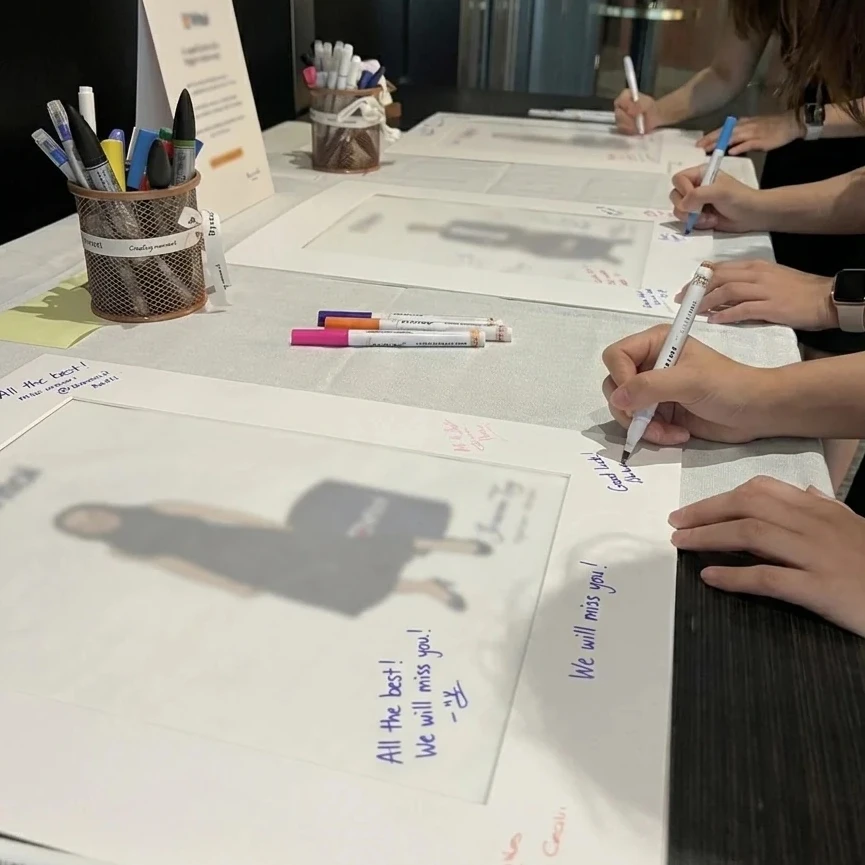
Whether it’s a family portrait, pet illustration, wedding gift, new home portrait, or farewell gift for a colleague, the artwork tells a story that’s unique to the recipient.
Unlike mass-produced gifts, custom illustrations celebrate memories, relationships, and milestones. They’re designed to be displayed, cherished, and revisited for years to come.
At Bycraft, every portrait is carefully illustrated by hand, whether digitally or with traditional media, to create artwork that reflects the people and stories that matter most.